How Gold Prices Shape the Cost of Claddagh Jewelry
Understanding the Link Between Gold Markets and Irish Jewelry Costs
For anyone shopping for a Claddagh ring, the price tag tells a story that goes far beyond the design. The cost of gold on world markets directly affects what you pay for these meaningful pieces. Whether you are looking at a simple band or a ring set with gemstones, the metal market sets a baseline that jewelers build upon. This article explains how that process works, what it means for your buying decision, and how you can shop with confidence even when prices fluctuate.
The Foundation: How Gold Is Priced
Gold is traded globally as a commodity. Its price moves every trading day based on supply, demand, economic uncertainty, currency strength, and investor sentiment. Jewelers do not set this price; they respond to it. When the gold price rises, the raw material cost for every piece of gold jewelry goes up. When it falls, the opposite happens. This relationship is straightforward, but its effect on the final retail price is not always immediate or proportional.
Jewelers typically buy gold bullion or scrap metal in bulk. Their cost is tied to the current market rate, plus a small premium for refining and fabrication. That cost then gets passed through the production chain. For a Claddagh ring, the gold content is only part of the price. Labor, design, hallmarking, and retail markup all add layers. But the gold price remains the single largest variable cost for most solid-gold pieces.
How Gold Purity Affects Cost
Gold jewelry is rarely pure 24-karat gold. Pure gold is too soft for everyday wear, so it is alloyed with other metals to create 10k, 14k, 18k, or 22k gold. The higher the karat, the more pure gold in the alloy, and the more sensitive the piece is to changes in the gold price. A 14k Claddagh ring contains about 58% gold, while an 18k version contains 75%. So when the gold price jumps, the 18k ring will see a larger dollar increase than the 14k one, even if both pieces are the same weight.
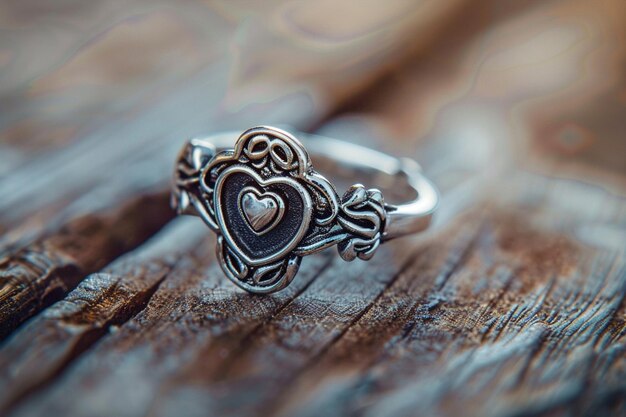
This is a practical point for shoppers. If you want a design with a higher karat, you are essentially betting that the gold market will stay stable or that you are willing to pay a premium for the higher purity. If you are more budget-conscious, a 10k or 14k piece offers durability and a lower sensitivity to market swings. Many buyers choose 14k as a balance between color, strength, and cost.
Weight Matters: The Role of Carat Weight and Ring Size
In jewelry, the term "carat weight" usually refers to gemstones, not metal. But the weight of the gold itself is measured in grams or pennyweight. A larger ring, or one with a thicker band, uses more gold. That means a size 8 Claddagh ring will cost more than a size 5 of the same design, simply because there is more metal. Ring size directly influences the gold weight, and therefore the cost.
When gold prices are high, this difference becomes more noticeable. A half-size increase might add only a few dollars in normal times, but during a price spike it can add significantly more. Jewelers often adjust their pricing per size, so it pays to know your correct ring size before shopping. If you are between sizes, consider which one uses less metal, but do not compromise comfort. A ring that fits well is less likely to be lost or damaged.
Beyond Gold: Other Cost Drivers
Gold price is the headline, but it is not the only factor. Several other elements contribute to what you see on the price tag.
- Labor cost: Skilled jewelers spend time carving, shaping, soldering, and polishing each piece. Claddagh designs often involve intricate details like the crown, hands, and heart. More detail means more labor, and labor costs vary by region and workshop.
- Gemstone quality: Many Claddagh rings feature a small gemstone in the heart, such as a diamond, emerald, or sapphire. The quality of that stone - its cut, color, clarity, and carat weight - adds a separate cost layer. A high-quality diamond setting can cost more than the gold itself.
- Hallmarking and certification: In many countries, gold jewelry must be hallmarked to verify its purity. This process costs money and is typically included in the retail price. Some jewelers also provide independent gemstone certification for an additional fee.
- Retail markup: This covers the jeweler's overhead, including rent, staff, insurance, and profit. Markup percentages vary widely between independent shops, chain stores, and online sellers. It is one area where you can find meaningful price differences between otherwise identical pieces.
Understanding these layers helps you compare prices more intelligently. When you see a wide range of prices for similar-looking Claddagh rings, the differences often come down to gold weight, stone quality, and markup rather than the gold price alone.
How Silver Prices Affect the Market
Not all Claddagh jewelry is made from gold. Silver versions are popular for their lower cost and traditional look. The silver price also fluctuates, but it is much lower per ounce than gold, so its impact on the final price is smaller. A silver Claddagh ring might cost a fraction of a gold one, even when silver prices are high. This makes silver an attractive option for buyers who want the symbolism without the gold market exposure.
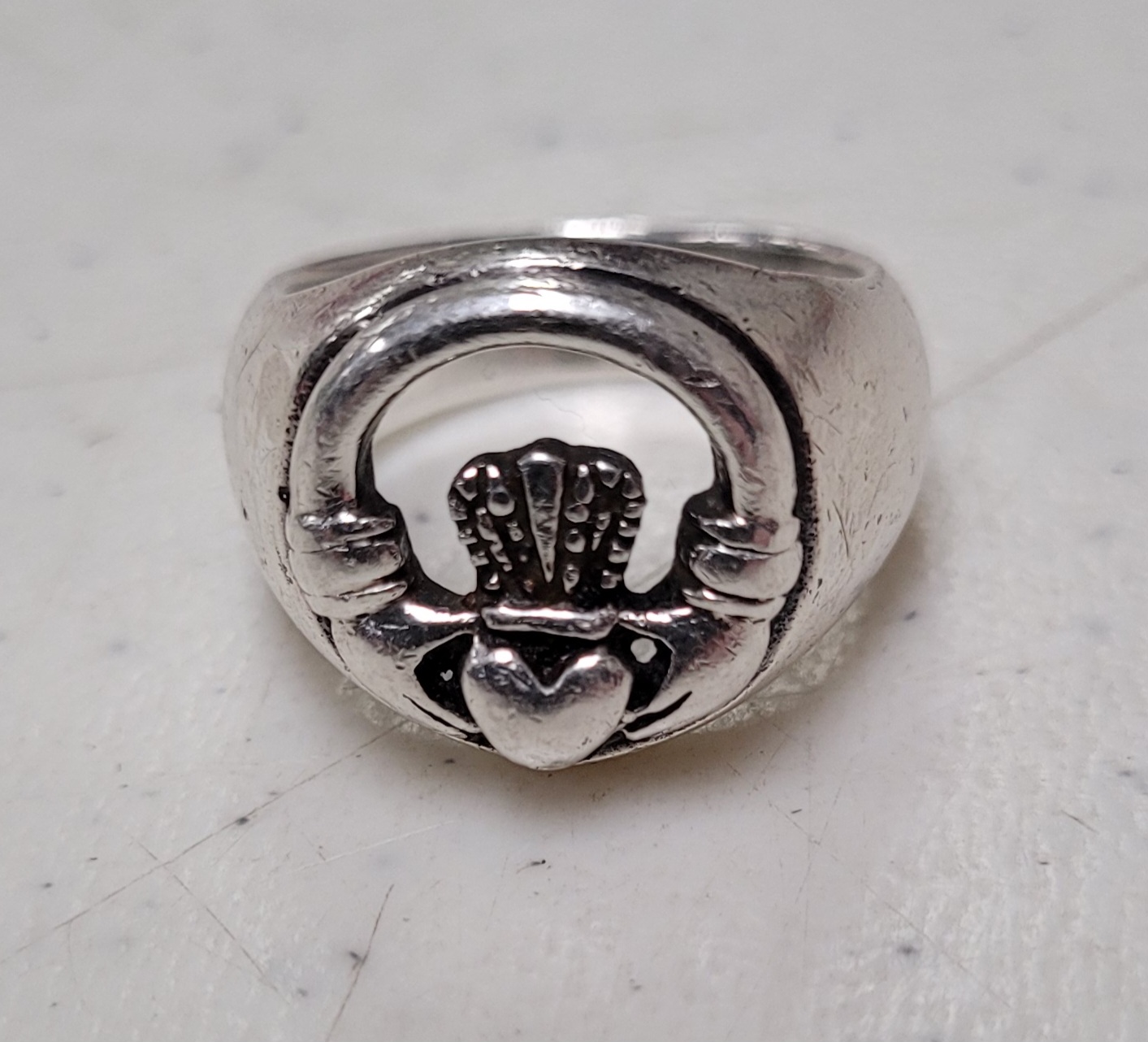
However, silver is softer and tarnishes more easily than gold. Buyers should factor in maintenance costs and the potential need for replating or polishing over time. For many, the trade-off is worth it.
What This Means for Your Buying Decision
When you shop for a Claddagh ring, the current gold price gives you a benchmark. If the market is high, you may see higher prices across the board. That does not mean you should wait for a drop - timing the market is nearly impossible for a single purchase. Instead, focus on what you can control. Claddagh jewelry prices vary by retailer, so compare similar pieces from multiple sources. Check the gold weight and karat, the stone quality if any, and the return policy.
Consider buying from a jeweler who updates their prices regularly based on the gold market. Some jewelers adjust weekly; others change prices only when the market moves significantly. A jeweler who is transparent about their pricing formula can give you confidence that you are not overpaying. On the other hand, a fixed price that seems too good to be true might mean the piece is lighter, lower karat, or lower quality than it appears.
If you are buying a gift or a special occasion piece, plan ahead. Gold prices can shift quickly, so if you see a ring you love at a fair price, do not hesitate. Waiting too long could mean paying more for the same item.
Practical Tips for Shopping During Volatile Markets
Gold price volatility does not have to derail your search. Here are a few strategies that can help.

- Focus on total weight and karat: Compare the gram weight and karat of different rings. A heavier 14k ring may cost less than a lighter 18k one, even if the gold price is the same.
- Check the stone quality separately: If the ring has a diamond or other gem, ask for its carat weight and clarity grade. A lower-quality stone can reduce the total cost significantly.
- Look for sales or pre-owned pieces: Estate jewelry can offer excellent value because it is priced based on the original purchase, not the current gold market. Just verify the hallmark and condition.
- Consider custom options: Some jewelers allow you to choose the ring size and gold weight. This can help you avoid paying for extra metal you do not need.
- Watch for hidden fees: Shipping, insurance, and resizing costs can add up. Factor them into your total budget before comparing prices.
By understanding how gold prices influence the cost of Claddagh jewelry, you can make a more informed choice. You will know why two rings that look alike can have very different prices, and you will be better equipped to find a piece that fits both your budget and your expectations.
The Claddagh ring is a symbol of love, loyalty, and friendship. Its value comes from what it represents, not just from the metal it is made of. But being a savvy buyer means knowing what you are paying for. The gold price is a starting point. The rest comes down to craftsmanship, materials, and the story behind the ring.